Exactly how to Get a Perfect Fencing Line with Expert Installers
A straight fence line is one of those things people observe promptly, even if they can not clarify why. You can have the nicest timber, the ideal design of pickets, the best entrance equipment, and still feel let down if the fence wanders, pitches, or leaves odd spaces at the corners. With the best installers, "best" comes from self-control, not luck. It comes from exactly how they establish the line, read the land, plan for obstructions, and keep every panel and blog post real as the task progresses.
I have seen the distinction in between a fencing that just "looks great" from a couple of feet away and a fencing that still looks right after a couple seasons of freeze-thaw, dirt activity, and wind. The secret is to deal with the fencing line like a study problem first, a woodworking problem second, and a products trouble last.
Start with the site truth, not the fence design
A fence is a boundary, a visual frame, and sometimes the primary climate display for a residential or commercial property. That indicates the ground and the design drive virtually every little thing: post spacing, post depth, exactly how you manage inclines, and whether you make use of a tipped format or a raked layout for the rails and pickets.
The best fencing company work begins before any openings are dug. They show up assuming in lines and qualities. They walk the border with you, explain where the ground resist, and ask questions that conserve frustrations later. For instance, if you already have a yard bed put versus the recommended line, you wish to know whether the fencing will need to go through that area or hold a cleaner side with a slight relocation.
One usual mistake I have watched, even with sympathetic house owners, is assuming a fencing line need to adhere to existing "courses" like old cut lines, wheel tracks, or just how the previous fencing rested. Those hints can be helpful, however they are not guarantees. Soil clears up. Edges get pressed by landscaping. The "old line" can be uneven since it was constructed when someone was attempting to get it done quickly.
The best fencing contractors treat the fence line as something you develop and protect. That typically means verifying offsets, examining property pens if applicable in your area, and making sure the fencing will abide by regional problem policies. If you want a fencing that looks ideal for many years, the geometry has to be right from day one.
Set the line like a pro: risks, string, and referral points
An ideal fence line is built on references. Installers do not rely on eyeballing the first edge post and really hoping the rest complies with. They produce a control line and maintain inspecting it while they dig, set, and brace.
In the area, the "control" is normally a combination of measured points, batter boards or stakes, and string lines. The string is not design. It is the aesthetic truth the crew makes use of to hold positioning while article openings are still open and surfaces are still adjustable.
From experience, this is where speed and perfection can conflict. If a team sets string when and after that "pursues it" without repeated checks, you frequently get the drift that looks like the fencing stretches throughout the lawn. Wind, uneven footing, and message settling do not forgive one very early assumption.
A detail that divides specialist installers from average job is how they handle the very first 20 feet. If the initial stretch is correct, the center usually remains proper. If the first stretch is off, every later area acquires the error, and by the time you notice it, it is expensive to fix.
The best fencing installers also recognize that "straight" does not suggest "same height everywhere." A straight line throughout an incline can still be built level, stepped, or raked depending upon the fence type and the appearance you want. The installer should speak through these choices up front so you are not shocked when the bottom rail follows quality in such a way you did not expect.
Plan for corners, entrances, and contours prior to you commit
Most fencing lines look easy till you hit the changes. Corners, entrance openings, and any type of bent sections are where resistances matter most.
Corners require cautious interest to angles and bracing. If an edge post is established even a little out of square, the rails can twist visually and the fencing can look "tight on one side, loosened on the other," even if dimensions are practically close.
Gates are their own world. A gateway structure wants to be plumb, square, and supported so it turns without dragging. Gateway posts usually need much deeper foundations or reinforced bracing due to the fact that they bring duplicated tons, specifically if you use a larger gate design or automated hardware. If a gateway opening is not planned with the fencing format, the final spacing at adjacent panels can wind up looking awkward.
Curves are one more frequent resource of frustration. Some home owners want a smooth arc, while others simply want it to adhere to a vague boundary. The installer's work is to convert your choice into a buildable strategy. That could indicate making use of multiple brief segments, custom-made rail suitable, or a layout strategy that avoids boards from bunching or leaving inconsistent gaps.
When you employ a top-tier best fencing company, you need to anticipate inquiries about these shifts. If no one asks the number of feet your entrance extends, where the joints will certainly rest, or just how the contour ought to show up, that is a sign the team could be improvising later.
Know the ground: soil, water drainage, and just how it impacts the line
Perfect positioning is just half the fight. The various other fifty percent is making sure the fencing stays lined up after the ground does what ground does.
Soil influences message activity, and message movement impacts the fence line. In clay-heavy areas, water can cause swelling and shrinking. In sandy dirt, posts can move extra quickly if the opening is not correctly compressed or if the drainage is inadequate. If you see standing water near the fencing line after tornados, that is a clue you need a structure plan, not simply "dig and go down."
Drainage is likewise a visual variable. If water drains towards the fence and swimming pools around post bases, you can obtain disintegration at one area, which then gradually pointers blog posts. That tipping may be refined initially, however fences reveal it. Boards can end up with unequal shadow lines, and rails can look slightly skewed even when the timber stays sound.
Expert installers commonly pay attention to incline instructions, reduced spots, and where water naturally runs. They might adjust the article depth, the backfill technique, or the panel format so the lower sides and rails remain consistent visually. This is not where you desire a rigid "one method fits all" mindset.
A valuable attitude is this: the fence line is a straight line precede, however it needs to be supported in a living landscape. The most effective contractors design around motion rather than acting it will certainly never ever happen.
Post spacing and degree choices: select based on style and truth in the line
There is a difference in between "constant spacing" and "consistent appearance." For example, if you have pickets on a slope, you may pick to tip the pickets so the leading rail remains visually cool. Or you might rake them so the top complies with grade. Both can look great, however they need various layout thinking.
On a flat lawn, the task is easier. On a sloped backyard, the fencing line can look ideal in two manner ins which contradict each various other. One choice can protect consistent bottom spacing. The various other can maintain consistent top spacing. The ideal option depends on your fence design, privacy needs, and what you can tolerate aesthetically when you walk along the property.
Rails matter here. The leading rail establishes the visual tempo of numerous fencing designs. If the rail is degree yet the ground is not, the bottom will develop a tipped pattern. If the rail is raked, all-time low may look more natural to the land, but spacing in between pickets or picket darkness lines might shift.
Expert installers understand just how to review these compromises. If the staff just supplies one technique, ask why. A great installer must discuss how their strategy alters the look and why they believe it will certainly hold up over time.
This is additionally where measurements and tolerances issue. A fence with posts spaced too much can cause rails to bow. A fencing with spacing too limited can develop in shape issues at gates and edges. "Adequate" spacing mistakes can collect and turn up as little spaces that really feel huge once you see them along the entire run.
Build the line in stages, then secure it in
One of the most practical tactics I have actually seen job consistently is phased structure. You do not just begin growing blog posts and really hope the materials will magically land right. Rather, the staff develops a reference area, checks it thoroughly, then extends.
Typically that implies they establish the edges and entrance ends initially. Those end points come to be anchors. They support them properly so they do not move when the next posts are established. Once the anchors are stable, the line comes to be something you can extend reliably.
If you avoid supporting or if supports are not established well, you can wind up with a fence that is "straight in the center" yet spins as it comes close to corners. Twisting is a typical issue since it is hard to detect from one place. It often takes walking the fencing line slowly, overlooking the rails, to find where it drifts.
A top notch team will additionally maintain rechecking the line. They do not deal with alignment as a single configuration. They validate while they dig, while they establish posts, and after rails are connected. That is the difference in between a fence that looks ideal at setup day and one that continues to look best after completing work.
Materials and craftsmanship that safeguard the line
Even with excellent design and best post setting, fencing perfection can deteriorate if the installation details are sloppy.
Here are the handiwork problems that most often undermine a fencing line, based on what I have enjoyed during fixings and retrofits:
- Posts set without appropriate correcting the alignment of and supporting can resolve somewhat after concrete cures.
- Rail add-on that does not make up wood motion can trigger joints to shift, developing a mild diagonal over long runs.
- Fasteners driven without consistent spacing or without valuing pre-drilled holes can warp boards and pull them off line.
- Finishing actions like covering, discoloration, and securing often obtain treated as optional extras, but when left insufficient, moisture distinctions can cause uneven development and shrinkage.
None of this needs a complicated explanation, however it does need attention. The best fencing installers make the effort to keep uniformity panel by panel. They maintain a rhythm: layout, established, examine, attach, check once more, then relocate on.
If you observe a crew rushing the "simple" areas and afterwards decreasing at the end, ask yourself why. Rushing the middle does not normally cause the end to deal with itself.
A quick walk-through of what "skilled setup" looks like
When you are basing on site, you can inform a lot just by watching the process. Seek exactly how they measure and how they react when something does not line up with the plan.
An excellent team will describe what they are doing as they go, not just "we'll do it by doing this." They will certainly reveal you just how they establish where the fencing messages will land, just how they check the string line, and exactly how they keep regular spacing across the run. They will also inform you just how they plan to manage challenges, like roots, buried energies, or locations where the ground is also soft.
If they discover that the ground is considerably different than expected, the very best fencing company will readjust the strategy as opposed to requiring the products right into a concession. Requiring typically means uneven spacing, odd panel cuts, or a fence that winds up "nearly best" however never genuinely straight.
Two practical checks you can ask for
You do not require to bring a land surveyor to work with a contractor, however you can ask targeted inquiries that reveal their behaviors:
- Can you reveal me just how you establish your referral line for positioning prior to excavating the initial post?
- How do you plan to manage my incline or quality modification, and will the rails be degree, stepped, or raked for a consistent look?
- Will you support corner messages and gateway messages during the mount, and exactly how do you validate they remain plumb while the concrete cures?
- What is your approach to keeping post spacing consistent across a long term, especially if the fencing has to change around obstacles?
- How do you inspect alignment after rails are affixed, before last cutting or finishing?
A professional installer need to answer clearly. If the answers are vague, or if the process feels improvised, you may intend to contrast quotes and techniques with other teams.
Fence line perfection often means accepting a small trade-off
"Perfect" is not always award winning fence company the exact same thing as "unchanged." In some cases excellence calls for change you would certainly not think from a photo or a drawing.
For circumstances, if you should pass near a fully grown tree, an installer may move one section by a percentage so the fencing can run efficiently without carving around origins. That compromise can look much better, also, because it prevents small, unsightly pinch voids that would or else form.
If the limit line is not perfectly directly as a result of just how the residential or commercial property pen lines were developed, the professional may require to select between outright boundary adherence and visual consistency. The most effective fencing contractors talk about this truthfully. They coordinate with whatever local demands apply and make certain you understand the most likely outcome.
If your ground slopes, you may determine that a tipped base looks cleaner than a fully raked base. Either can be succeeded. The best selection is the one that matches your resistance for visual transitions.
Perfection is additionally concerning entrance feature. A fencing line that looks definitely smooth but creates a gate to droop and drag is not a win. The very best fencing installers balance visual appeals with real-world performance.
Common fence line issues, and exactly how experienced installers stop them
Repairs show you one of the most, because you get to see what went wrong. Over time, I have discovered patterns in fencing line problems. A lot of them trace back to preventable steps.
1) The progressive drift problem
This is when the fencing starts right, after that gradually changes. It commonly comes from not examining the line frequently enough, or from setting blog posts in a manner that permits them to move as concrete sets. Specialist installers prevent this by anchoring corners well and examining consistently as they extend.
2) The corner angle and rail twist
Sometimes the fence line looks penalty until you come close to a corner, after that everything feels somewhat "off," like the fence is trying to rotate. That can result from an inaccurate edge setup or rails that were connected without validating square alignment.
3) The "uneven top" complaint
On sloped properties, the leading rail can show up irregular if the format method does not match the preferred look. This is not always a mistake. It is frequently an inequality in between assumption and the chosen quality method. A good installer decides early, explains the outcome, then performs consistently.
4) The message settlement reveal
After a period, you could see a refined leaning board, or rails that no more rest parallel with your eye. This can happen if message holes were not sized or compressed properly for the dirt conditions, or if drain permitted erosion around the base. Strong installation practices decrease these dangers dramatically.
How to choose the ideal best fencing company for a precise result
Choosing an installer is not just about Additional info price. Fence line excellence depends on exactly how regular their procedure is and whether they construct with patience.
A great strategy is to compare proposals that consist of procedure information, not simply product specs. You want to see that the team has an approach for layout, alignment, and completing. If a specialist can not explain what they do to preserve a straight line over long runs, it is worth investigating other options.
If you are looking for best fencing contractors, ask about their experience with similar terrain to yours, not just with surround general. A staff that constructs tidy fencings on level lots may have a hard time on hefty inclines if they do not currently have a grade method and implementation rhythm.
Also take notice of interaction. The very best fencing installers tend to ask clever inquiries regarding your goals and the residential or commercial property constraints. They speak you through trade-offs instead of marketing you a single "common" plan.
What to do before installation day so absolutely nothing derails alignment
Fence line work can get unpleasant swiftly if the website is not all set. You do not require excellence from day one, however you do need standard readiness.
Clear the instant work area so the crew can set stakes, run lines, and move materials without tipping on fresh positioning markers. Mark any sprinklers, low-voltage lines, or energies you understand about. If there is existing fencing, particles, or older posts that may influence exactly how the brand-new line must sit, handle decisions upfront so you are not making calls mid-install.
The most discouraging installs occur when new details appears halfway through. A mature root you did not know about, a forgotten buried line, or a corner that becomes different than anticipated. The most effective fencing company will adjust, however less shocks implies less compromises.
If you are present throughout the early format, take a few minutes to walk the line as they set string. That is when you can capture a misconception prior to it comes to be a fencing section.
Keeping the fence line perfect after the install
A fencing that is developed directly still needs care. Not constant, not made complex, simply thoughtful upkeep. The goal is to keep wetness and ground movement from doing the slow-moving job of bending your geometry over time.
Wood fencings take advantage of regular securing or discoloring. Steel components take advantage of rust security and protected attachment. Also little issues like vegetation raiding boards can transform just how the fence weaves through wind lots, and with time it can influence placement in refined ways.
If you notice a section that begins to move, resolve it early. Article activity is much easier to correct when it is small. As soon as a fence line has actually been out of alignment for a while, fixing it can call for more dismantling, because every little thing around it has actually already supported in the new position.
A professional installer can share easy maintenance behaviors based on your material choice and regional conditions. That guidance is part of top quality. It is not just a warranty type turned over at the end.
The bottom line: perfect lines come from process
When people ask just how to get a perfect fence line, they are usually requesting for the evasive combination of straightness, constant spacing, and tidy transitions. The truth is that ideal lines are the product of repeated checks, secured edges, good supporting, and execution that values both geometry and ground behavior.
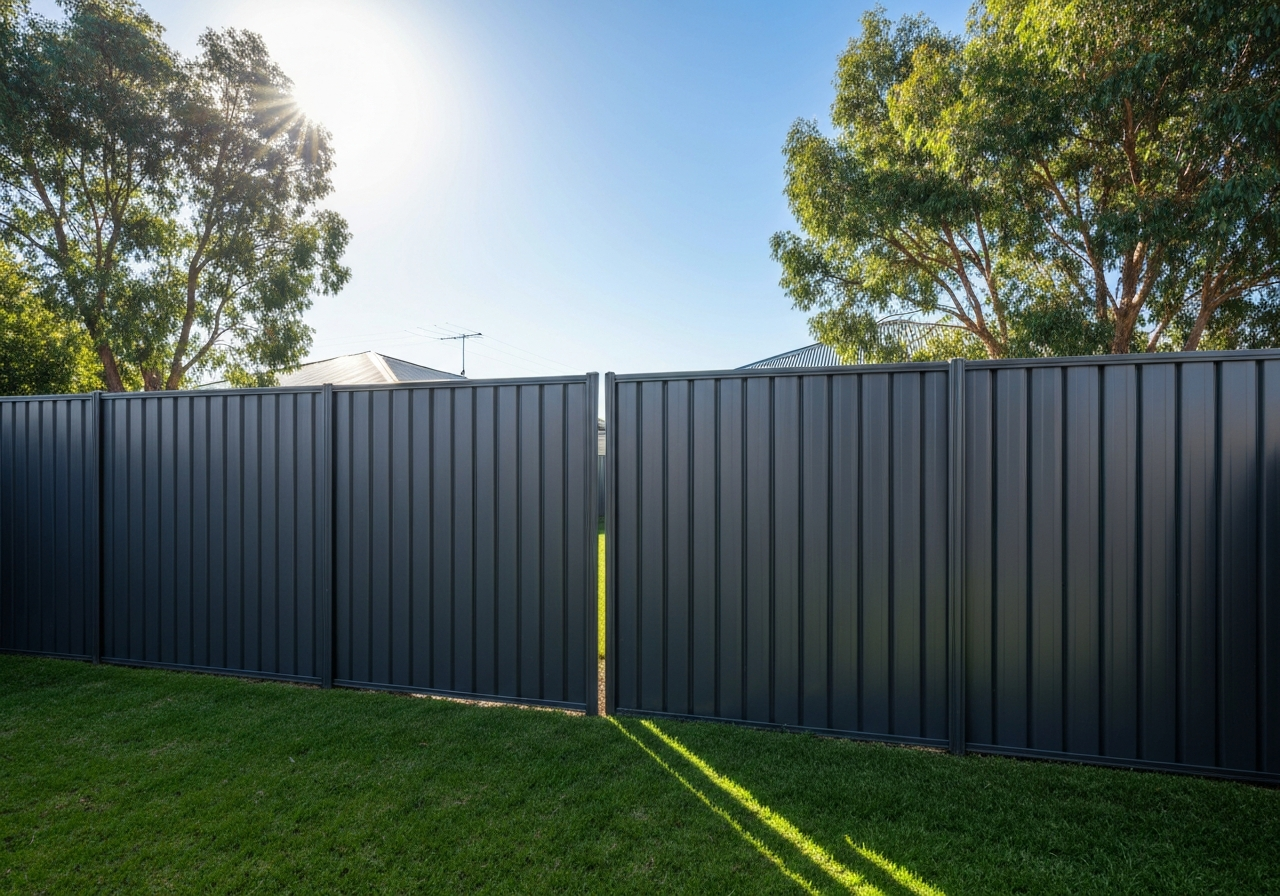
If you want a fencing that stays true, seek best fencing contractors that deal with positioning as a core deliverable. Look for best fencing installers that can explain just how they establish control lines, deal with inclines, brace vital posts, and confirm the fence prior to finishing trims take place. And choose a best fencing company that will work with around challenges and plan for the fact of drainage and soil.
A fence is developed when, however it obtains judged for years. The installers who understand that will certainly develop your fencing line the way property surveyors build referral factors, and the way woodworkers do with satisfaction. That is where "ideal" stops being a promise and starts being the anticipated result.