Best Fencing Installers: Tips for Resilient Grounds
A fencing is the sort of home renovation that people observe from a range, after that debate at close quarters. "Nice line," they claim. "Exactly how's the ground?" you ask yourself, due to the fact that grounds do the majority of the job and get none of the applause.
If you want a fence that doesn't turn into a leaning, wobbling fencing ghost story by year 3, begin with the structure. A fantastic gateway, a straight rail run, and handsome pickets aid, but if the articles are sitting in watery rubbish or undersized concrete, the whole thing will ultimately take a long stroll toward the next-door neighbor's yard.
This is where the best fencing installers make their keep. Not by being flashy with devices, however by doing the unglamorous parts properly: message depth, drainage, soil prep, and installation details that don't show up in Instagram photos.
The actual task starts under the grass
Most fence failings don't take place because the wood misbehaved or the vinyl was the incorrect shade. They take place since the ground below adjustments. Dirt expands and contracts. Water relocations. Freeze-thaw cycles bully every little thing they can get to. Dig a shallow hole, dump concrete like it's a craft project, and call it a day, and you've generally built a lever waiting for the next storm.
Long-lasting footings come down to two things that appear easy yet contain nuance:
First, you require enough embedment depth to resist the pressures on the fence. Wind tons is one, fencing weight and stress from rails is an additional. Then there's the push-pull of the setting, which is rarely polite.
Second, you need the footing to behave well when water shows up. If water is caught around the blog post or the drainage around the footing is bad, you get rot, rust, which refined "working out" that turns into "why is my gateway scuffing the ground" over time.
When you employ the very best fence contractors, you're not simply acquiring labor. You're getting judgment concerning neighborhood dirt, local climate patterns, and exactly how fencings act where they live.
What installers indicate when they claim "good ground"
You'll listen to a great deal of talk from fence companies. Several of it works, several of it is sales line of gab. The valuable version sounds like this: the installer is thinking of soil type, frost deepness, water drainage, and blog post motion, prior to they mix anything.
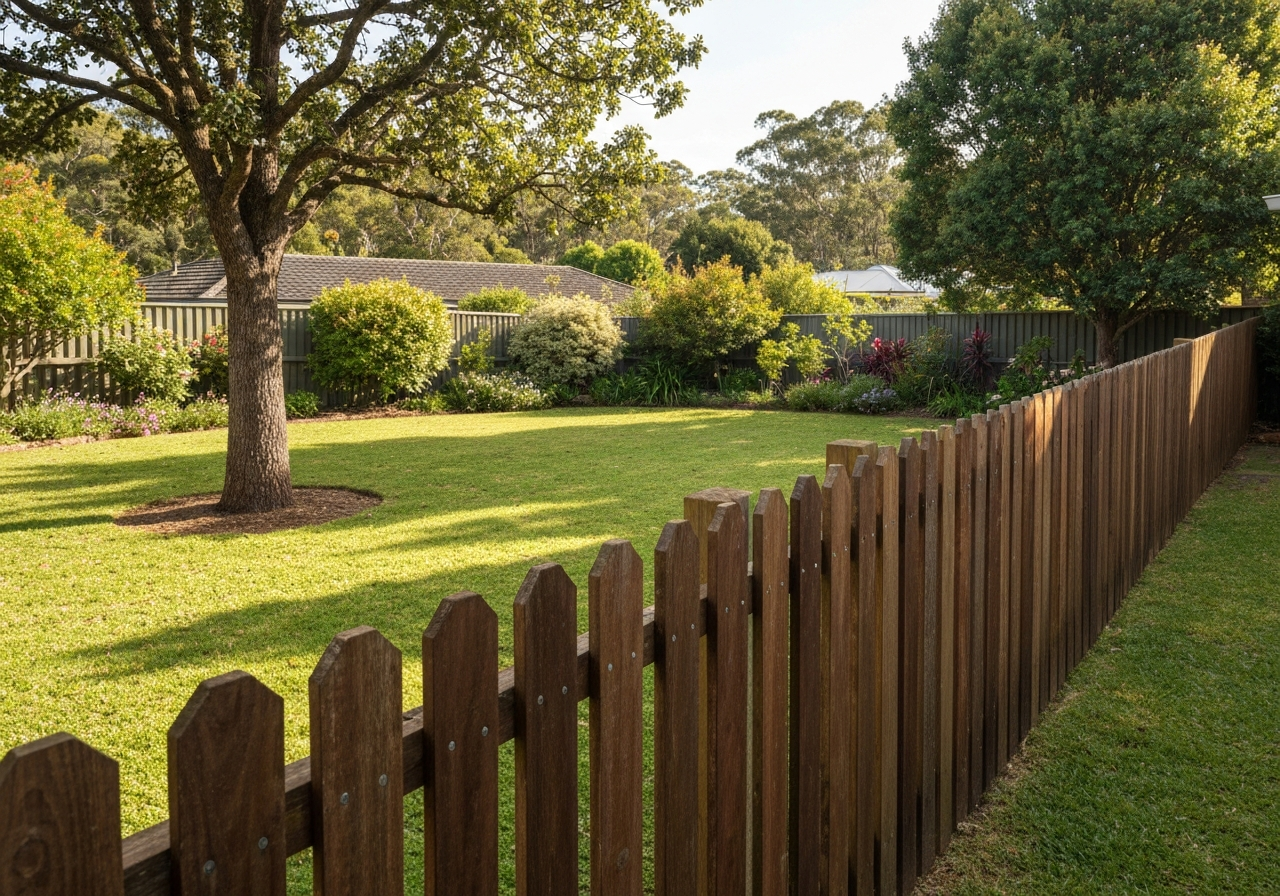
The non-glamorous factors usually appear like silent choices made in the field:
- How deep the messages go for your climate
- Whether they make use of a post-hole miner, auger, or a various method to maintain wall surfaces stable
- How they take care of loosened fill or topsoil
- Whether they establish posts in concrete, crushed rock, or a hybrid technique, based upon conditions
- How they keep the article plumb while the structure cures
If somebody tells you the "just" thing that matters is getting the ideal fence product, they're neglecting the component that typically breaks initially. Product failures are commonly visible, like distorted boards or rust streaks. Ground failings can start unseen, after that intensify fast.
A quick lived-experience moment
I've been on tasks where the fencing looked fantastic at install day. Straight lines, limited spacing, clean equipment. Then the first tough rain hit, adhered to by a cold wave. The following early morning, a house owner pointed at one corner blog post that had a small split at the surface. Not dramatic, simply sufficient to worry.
A week later, that post leaned slightly. The fencing really did not drop immediately. It did something even worse: it stayed "almost fine" enough time for people to neglect it. By the end of that period, the gate latching equipment was dealing with misalignment, and the homeowner was stuck paying for a modification they would have avoided with a better structure plan.
Embedment deepness: not a guess, not a vibe
Post depth is among those numbers that obtains priced quote in great deals of methods online. Individuals spray "3 feet" or "one-third of the post length," however actual best fencing installers don't deal with deepness like a superstition. They use environment considerations and neighborhood standards, plus the specifics of the soil.
Why? Because different soils hold articles in a different way. Sandy dirt drains pipes well yet can fall down if interrupted. Clay holds water and can heave during freeze-thaw. Rocky locations may permit a blog post to be supported securely at deepness, but you still need a ground that fits the terrain.
Concrete transforms the picture also. Concrete is fantastic for stabilizing an article and stopping immediate motion, however it can develop troubles if water has no place to go. The objective is generally a stable, sturdy embedment with water drainage and a lower problem that withstands shifting.
If you're purchasing Best Fence Companies or Best Fence Contractors, ask exactly how they figure out deepness on your specific website. You're not requesting a dissertation. You're looking for proof that they're measuring and assuming, not guessing.
Concrete, gravel, and the "it depends" truth
Setting messages can involve concrete, crushed rock, or some mix. Installers differ, and the best technique can depend upon a number of aspects, consisting of fence type, post material, dirt drainage, and local climate.
Here's the compromise in simple terms:
Concrete can lock an article into place, which is excellent in loosened soils and for high wind exposure. Yet if concrete traps water around the article, you can end up speeding up rot for timber blog posts or rust for steel messages if the style isn't thoughtful.
Gravel and correct drain can minimize standing water and give water a path down and away. However gravel-only configurations can be prone if the soil isn't compacting well or if the post-hole wall surfaces aren't stable.
A responsible installer will explain their strategy in context. They might say concrete is used because the soil is soft and the fencing requires much more resistance. Or they may suggest a drainage-focused technique if the website is wet and often tends to hold water.
If you're comparing Best Fencing Installers, pay attention to exactly how they talk about water. The ones who care will speak about water drainage like it matters, due to the fact that it does.
Soil prep: the component nobody intends to do, so you must pay attention
Soil prep is where careless job appears later as settlement, wobble, and rot. Topsoil is frequently mixed with organic matter, origins, and differing structures. It can look secure when you're digging, then soften and portable in different ways once it's disrupted and revealed to moisture.
A solid installer deals with the opening like a foundation dental caries, not an opening. That implies eliminating unsteady product, making sure the opening wall surfaces are consistent, and not allowing debris accumulate at the bottom.
It additionally means considering just how the surrounding quality will certainly act. If your fencing is built on an incline, water runoff patterns can weaken one side more than the other. The post may be established appropriately, however the grading and water drainage around the article can still develop long-lasting problems.
The best fencing builders have a habit of checking out your backyard like a drain map. They may even ask concerns concerning downspouts, drainage courses, or where water swimming pools after storms.
One sensible question that reveals everything
Ask: "When the opening is dug, what are you finishing with the dirt you eliminate, and do you deal with topsoil differently?"
The solution informs you whether they're setting up a fencing or playing a fast game of "good enough."
Keeping messages plumb, lined up, and sane throughout curing
Footings aren't practically depth. They're likewise concerning exactly how the message is placed while the foundation sets.
Even if the opening is the right size and depth, a blog post that moves during curing can develop a fencing line that progressively tilts. You might not see it on day one, but rails and pickets will telegraph the issue swiftly. Gates will, also, and entrances have an ability for subjecting poor math.
Good installers plan for the timeline:
- They established the post and validate plumb before any type of last tightening.
- They support correctly so the blog post can't move.
- They don't tinker it quickly after setting and backfilling.
If someone attempts to "fix" placement after concrete is partially cured by forcing rails into location, you're signing up for anxiety at the links. Anxiety is deterioration's preferred accessory.
Weather and timing: freeze-thaw awaits no one
Climate is a bully. If you live in an area with freezing winter seasons, you're working around freeze-thaw cycles and frost lines. The frost line concept is not just scholastic; it's a functional marker for exactly how deep freezing permeates in your area.
If an installer establishes blog posts too superficial for the local frost behavior, water can ice up around the message, increase, and press it. It's not constantly significant in the beginning, yet movement repeats with each cycle, and duplicated movement at some point loosens up the system.
Timing issues as well. Some structure techniques are better matched to specific temperatures and wetness problems. Concrete treating can be impacted by cold weather. If the installer attempts to hurry every little thing in conditions that will slow down treating or produce weak surface area conditions, that's a red flag.
This is another factor the very best fencing contractors earn trust fund. They recognize the routine restrictions and change their strategy based upon problems as opposed to bravado.
Fence type modifications footing demands
Not all fences apply the exact same pressures to posts.
A light-weight picket fence with very little wind exposure acts differently than a solid personal privacy fence. A high entrance has a various load profile than a straight run.
For example:
- Solid panels imitate wind sails. That means higher lateral forces on posts.
- Gates focus pressure at the joints and latch points, which can worry articles and footing movement.
- Fences with heavy framing or thick messages boost lots at connection points.
A careful installer sizes and spaces blog posts appropriately, and that consists of footing planning. If somebody develops a fencing like it's ornamental bed linens, they may miss the mechanical reality.
When assessing Best Fence Installers or Best Fence Builders, ask how they determine blog post spacing and whether it transforms with fencing height and panel kind. A good answer appears details, not vague.
Installation information that protect grounds longer than you think
Footings last longer when the water management strategy is baked right into the design, not bolted on later.
That consists of drainage around the bottom of messages, the method concrete or backfill is done, and exactly how the surrounding grade is shaped so water does not merge around the blog post location. It also includes rust avoidance for metal hardware and the choice of blog post materials matched to moisture risk.
Here are a couple of sensible information that often make the distinction in between "looks great" and "still strong":
For wood articles, installers need to focus on the part of the blog post that is subjected to moisture. Rot has a tendency to begin where wood remains damp. If your style catches water at the base, timber will ultimately reveal it.
For steel blog posts, rust depends upon direct exposure, finish quality, and exactly how well water is drained. If equipment and posts produce pockets where dampness collects, deterioration can spread from "surface area corrosion" to structural weakness.
For concrete grounds, top quality of backfill and appropriate consolidation issue. Air voids, gaps, and inadequate compaction can welcome water paths and movement.
A witty home owner may think about it as "getting insurance." The installer might consider it as "quiting problems prior to they appear."
The inquiries to ask so you can spot the genuine pros
If you're calling fence companies, you do not need a regulation level. You require a couple of targeted concerns that compel the discussion into the technological zone where great installers live.
A short list you can make use of on the phone
- How do you identify article deepness for my backyard, and what dirt elements do you check?
- What is your prepare for water drainage around the article holes?
- Do you set posts in concrete, crushed rock, or both, and why for this site?
- How do you brace blog posts to maintain them plumb and straightened while the ground sets?
- What do you perform with topsoil or unpredictable product when excavating holes?
If the solutions feel vague or salesy, you're not obligated to hire them. If the answers specify and site-based, you're likely talking with the type of Best Fencing Contractors who develop for the long run, not simply for the walk-through photo.
Red flags that show up when footings are treated casually
Not every red flag is significant. Some appear as "small faster ways" that grow teeth later on. The concern with shortcuts is that they commonly really feel safe at mount day, till weather condition and time do their work.
If you're contrasting Best Fencing Companies, look for these warning signs in just how they chat and how they work:
- They refuse to review footing deepness or drainage strategy, and they rush past the foundation section of the conversation.
- They speak about "typical depth" without considering your site conditions.
- They do not appear concerned regarding soil stability after excavating, or they disregard noticeable pooling water.
- They set articles and afterwards leave you with the impact you can examine positioning later on, as if placement is optional.
- They don't state just how they keep posts supported and plumb while the footing sets.
A fence is constructed once, dealt with just at expense, and checked by weather condition you can not manage. The most effective installers deal with that truth with respect.
Costs: why the most inexpensive quote can be the most expensive hobby
Footings are among the cost variables that people attempt to reduce, because concrete, excavation, and cautious collection work are not totally free. But "cheap" in the ground globe frequently indicates superficial deepness, bad water drainage planning, less careful set, or backfill choices that don't match the soil.
There is no magic number I can give you that will ensure the cost you need to pay, because labor rates, license demands, and material prices differ. However you can compare quotes in a manner that issues: focus on what's consisted of in the foundation plan.
A quote that looks reduced but consists of less concrete work, less excavation interest, or fewer site-specific checks can be a bargain that accumulates rate of interest later.
If you want long-lasting grounds, you want installers who fit hanging out on prep, not just speed up on assembly.
Maintenance that really assists, without developing into a full-time job
Even the best ground will outlive your fence product life-span. Upkeep isn't about consuming; it has to do with catching troubles early.
Wood fencings take advantage of routine evaluations for rot at the base and around fasteners. Metal elements require checks for rust patterns. Entrance hardware needs interest because imbalance can increase wear.
A realistic method is to stroll the fencing line after significant tornados and seasonal temperature swings. Search for subtle modifications:
- Post movement, even slight
- New spaces at rails or fence panels
- Rust spotting from base areas
- Soft areas at wood bases
You're not trying to find perfection. You're seeking early warnings, the kind that stop little repair services from becoming complete rebuilds.
Choosing amongst Best Fence Companies, Best Fence Contractors, and Finest Fencing Builders
Sometimes the identifying is perplexing. "Business," "professional," "contractor," "installer." Various words, similar job. The difference is usually less concerning the tag and even more about the team behind it and just how they handle the details.
If you're attempting to select the most effective choice for resilient grounds, try to find patterns in their process:
- Do they check out or assess your site conditions?
- Do they ask inquiries about drain and soil?
- Do they review foundation method in simple language?
- Do they clarify just how they keep articles stable and aligned?
- Do they take care of setting up around weather condition and treating considerations?
The best fencing installers frequently seem like they're dealing with physics, not simply lumber. They comprehend how fencings act with wind, water, and time.
And truthfully, home owners often tend to feel the distinction after the truth. A fencing that stays straight and functional for years tells its very own story. The footings, undetectable however critical, are doing their task quietly.
Final thought: your fence should age gracefully
A fence should become its landscape, not crumble into it. Resilient footings are the distinction in between a fencing that ends up being a long-term https://www.atoallinks.com/2026/the-best-fencing-companies-in-melbourne-reviewed-and-ranked-2026/ neighbor and a fencing that becomes a recurring project.
When you work with the best fencing contractors or best fence companies, you're buying greater than installation. You're acquiring choices that stand up to climate, secure materials, and minimize message activity. You're spending for depth, drainage, and careful collection work, right stuff that maintains your gate shutting like it suggests it.
If you take one thing from all this, make it this: ask about the ground plan early. It's the fastest method to separate "we build fences" from "we construct fences that sit tight."
And if a person gets worried when you ask about water drainage, congratulations, you have actually found the specific spot where your future fence may try to escape the yard.